Cabin Air Ionization: A Wellness Feature for Montreal's Winter Flu Season
January 28 2026,
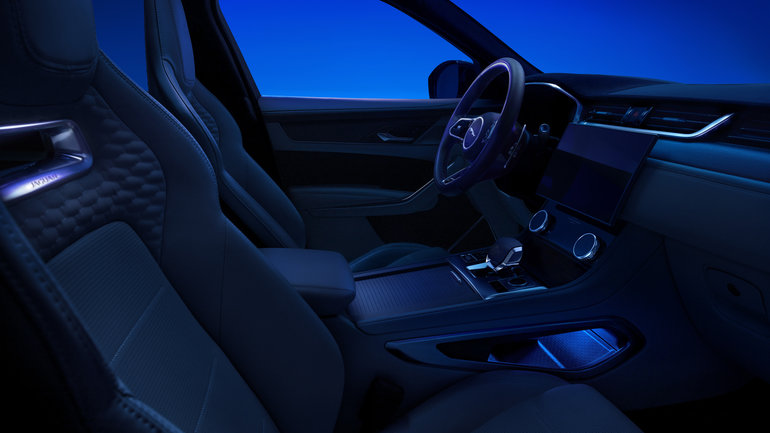
Winter in Montreal brings more than snow and ice. Cold weather drives people indoors, flu season peaks, and urban air quality often drops as furnaces run and traffic congestion increases. Inside your vehicle, recirculated air can trap allergens, pollutants, and airborne particles that affect how you feel during your commute.
The 2026 Jaguar F-PACE addresses this with Cabin Air Ionization featuring Nanoe technology and PM2.5 filtration. The system actively cleans the air you breathe inside the cabin, targeting particles smaller than 2.5 micrometres—including allergens, bacteria, and some viruses that circulate during flu season.
This feature runs quietly in the background while you drive, creating cabin air that's often cleaner than the outside air passing through Montreal's winter traffic.
What Cabin Air Ionization Actually Does
The system uses a small ionizer unit integrated into the climate control ducting. It creates negatively and positively charged ions that mix into the airflow entering the cabin.
These ions attach to airborne contaminants such as dust, allergens, bacteria, some viruses, and odour-causing particles. Once attached, the contaminants clump together into larger aggregates that the cabin's PM2.5 filter can trap more effectively.
The result is cleaner air circulating through the F-PACE's interior. Particles that would normally remain suspended in the air—where you'd breathe them in—get captured by the filtration system instead.
Understanding PM2.5 Particles
PM2.5 refers to particulate matter smaller than 2.5 micrometres in diameter. These particles are roughly 30 times smaller than the width of a human hair.
Because they're so small, PM2.5 particles can bypass your nose and throat and reach deep into your lungs. They come from vehicle exhaust, industrial emissions, wood smoke, and even dust stirred up from road salt and sand during Montreal winters.
The F-PACE's PM2.5 filter captures these ultrafine particles, preventing them from circulating inside the cabin. Combined with the Ionization system, the two technologies work together to reduce what you're exposed to during your commute.
How Nanoe Technology Works
Nanoe is a hydroxyl radical technology developed by Panasonic. The system generates microscopic water particles enclosed in ions. These particles are released into the cabin air.
When Nanoe particles come into contact with allergens, bacteria, viruses, and odour molecules, they break down the protein structures of these contaminants. This process neutralises them, reducing their presence in the air.
The technology has been tested in various environments and is used across multiple automotive brands for air quality improvement. In the F-PACE, it works continuously when the Purify function is activated.
Activating the System
The F-PACE includes a dedicated "Purify" button that activates Cabin Air Ionization. Press the button, and the system runs alongside your regular climate control.
The ionizer operates whenever the HVAC system is on, including when you're using heating and defogging during winter. You don't need to adjust settings or manage the system manually—it runs in the background.
An air quality sensor monitors outside air. If the sensor detects high pollutant levels—common during rush hour traffic on the Décarie Expressway or near construction zones in downtown Montreal—the F-PACE can automatically increase recirculation mode. This gives the ionizer and filter more time to clean the cabin air before it circulates to you.
Winter Air Quality in Montreal
Montreal's winter air quality faces several challenges. Cold weather creates temperature inversions that trap pollutants close to ground level. Traffic congestion increases as drivers deal with snow and ice. Residential heating systems, many still burning natural gas or oil, add to particulate emissions.
Inside vehicles, recirculated air can accumulate allergens brought in from clothing, bags, and shoes. Dust from road salt and sand enters through door seals and ventilation intakes. During flu season, viruses can linger in enclosed spaces where air isn't actively filtered.
The F-PACE's Ionization system addresses these specific winter concerns. It targets the fine particles and biological contaminants that are harder to filter using conventional cabin filters alone.
Air Purge Function
Some F-PACE models include an Air Purge or pre-conditioning function. This allows you to run the fans and Ionization system remotely before you get into the vehicle.
If your F-PACE has been parked for several hours, stale air and any airborne contaminants may have built up inside the cabin. The Air Purge function clears this air before you open the door, starting your drive with fresher cabin conditions.
This feature is particularly useful during winter when you're pre-heating the vehicle anyway. While the heating system warms the interior, the Ionization and filtration system simultaneously cleans the air.
Who Benefits Most From This Feature
Cabin Air Ionization with Nanoe technology provides noticeable benefits for specific groups of people.
If you have seasonal allergies, the system reduces pollen and other allergens that enter the cabin during spring transitions when temperatures fluctuate. During winter, it targets dust and mould spores that can accumulate in heated indoor environments.
Parents with young children in car seats benefit from cleaner cabin air. Children's respiratory systems are more sensitive to airborne particles, and reducing exposure during daily commutes helps protect their health.
People with asthma or other respiratory sensitivities notice improved air quality when PM2.5 particles are filtered out. The system also reduces odours from outside sources, such as diesel exhaust from buses or industrial emissions.
Even if you don't have specific health concerns, cleaner cabin air simply makes commutes more pleasant. You're not constantly breathing recirculated pollutants, and the interior stays fresher longer.
How the System Compares to Outside Air
Urban air quality in Montreal varies depending on location and time of day. Near major roadways like Highway 15 or the Ville-Marie Expressway, PM2.5 levels can spike during rush hour. Industrial areas near the port or oil refineries add localised pollution.
Inside the F-PACE with Cabin Air Ionization active, the air you breathe goes through active filtration and Ionization treatment. The PM2.5 filter captures ultrafine particles, while the ionizer neutralises allergens and biological contaminants.
This creates a microenvironment where cabin air quality can exceed outside air quality, particularly during winter when urban pollution concentrations increase.
Maintenance Considerations
The PM2.5 filter requires periodic replacement, similar to a standard cabin air filter. Jaguar recommends replacing it according to the maintenance schedule outlined in your owner's manual, typically every 12 to 24 months depending on driving conditions.
If you frequently drive in heavy traffic or areas with high air pollution, the filter may require more frequent replacement. Signs that the filter needs changing include reduced airflow from the vents, persistent odours inside the cabin, or increased fogging on windows.
The Ionization system itself requires no regular maintenance. It operates as part of the climate control system and doesn't have consumable parts that need replacement.
Combining Wellness Features
The F-PACE's Cabin Air Ionization works alongside other wellness-focused features in the vehicle.
The climate control system includes multiple zones, allowing passengers to set individual temperature preferences. This reduces the need to over-heat or over-cool the cabin, which can dry out nasal passages and make respiratory issues worse.
Heated seats and a heated steering wheel allow you to stay warm without cranking the cabin temperature excessively. This helps maintain comfortable humidity levels inside the vehicle.
The panoramic sunroof, available on higher trims, provides natural light even during Montreal's darker winter months. Natural light exposure supports circadian rhythms and can improve mood during seasonal transitions.
Together, these features create a cabin environment designed around occupant wellbeing, not just temperature control.
Practical Impact During Daily Commutes
Most Montreal residents spend at least 30 to 60 minutes per day in their vehicles during the work week. Over a year, that adds up to hundreds of hours breathing cabin air.
If that air contains PM2.5 particles, allergens, and biological contaminants, you're exposed to these pollutants repeatedly. The cumulative effect can contribute to respiratory irritation, fatigue, and increased susceptibility to illness during flu season.
The F-PACE's Ionization system reduces this exposure. Each commute happens in an environment where the air is actively cleaned, not just recirculated. The difference is subtle on any single drive but meaningful over time.
When the Feature Matters Most
Cabin Air Ionization provides the most noticeable benefit during specific situations.
If you're driving through heavy traffic on the Décarie Expressway during rush hour, the system filters out diesel exhaust and brake dust particles that enter through the ventilation intake. You're not breathing the same air as vehicles around you.
During flu season, when viruses circulate more widely, the Ionization system helps neutralise airborne viral particles inside the cabin. This is particularly relevant if you're sharing the vehicle with others who might be carrying illness.
On days when air quality alerts are issued for Montreal—common during summer smog events but also possible during winter inversions—the system ensures cabin air quality remains better than outside conditions.
Even on clear days with good air quality, the system reduces odours from outside sources and keeps the cabin feeling fresh longer.
Comparing to Standard Cabin Filters
Most vehicles include basic cabin air filters that trap larger particles like dust and pollen. These filters help, but they don't address smaller PM2.5 particles or biological contaminants as effectively.
Standard cabin filters also don't actively neutralise allergens, bacteria, or viruses. They capture some of these contaminants, but others pass through and circulate in the cabin air.
The F-PACE's combination of PM2.5 filtration and Nanoe Ionization targets a broader range of air quality issues. The ionizer charges particles so they clump together, making them easier for the filter to trap. The hydroxyl radicals in Nanoe technology break down biological contaminants at a molecular level.
This two-stage approach provides cleaner cabin air than passive filtration alone.
Final Thoughts
The 2026 Jaguar F-PACE's Cabin Air Ionization with Nanoe technology addresses a wellness concern that most people don't think about: the air quality inside their vehicle during daily commutes.
In Montreal, where winter brings flu season, increased urban pollution, and more time spent in enclosed spaces, having cleaner cabin air matters. The system runs quietly in the background, filtering ultrafine particles and neutralising biological contaminants without requiring your attention.
It's a feature designed around health and comfort, not performance or convenience. If you spend significant time in your vehicle, particularly during winter, it's worth experiencing firsthand.
Visit Decarie Motors Jaguar to see the 2026 F-PACE and learn more about its wellness-focused cabin features.